Fundraising Ideas for Sports Teams That Work
 Posted by Kate WhitePosted by Kate White
The teams that raise the most money are rarely the ones with the best ideas. They are the ones with the clearest goal, the most organized ask, and a system that makes it easy for people to participate and contribute.
Before you pick a fundraiser, answer three questions.

Genius Tip
Set up a donations sign up with a live progress thermometer before you make your first ask. Families who can see the goal and track progress in real time contribute at higher rates than those responding to a flat request. Share one link and let the thermometer do the motivating.
These fundraisers work because they require minimal setup, little or no upfront cost, and can be organized by a small team without significant lead time. They are ideal for filling a budget gap mid-season or supplementing a larger campaign.
Ask friends, family members, and neighbors to pledge a set amount for every lap a player swims, miles they run, or baskets they make during a challenge event. The athletic connection makes the ask feel personal and the pledge structure scales naturally with participation. A sign up handles commitment tracking and payment collection in one place.
Sponsors pledge a small amount for every book a player reads during a set window. Works especially well during summer or holiday breaks when families are looking for structured activities. Easy to run, zero overhead, and the education angle tends to resonate well with donors who might otherwise pass on a traditional sports fundraiser.
Sell tickets at games or practices. The winner takes half the pot and the team keeps the other half. No prizes to source, no event to plan. One of the highest effort-to-return ratios of any fundraiser on this list. Check your local rules on raffle licensing before you run it.
Create a large team banner and sell signature spots for a small donation. Display it at home games throughout the season. Families who contribute feel visible and connected to the team, and the banner itself becomes a season-long piece of recognition that costs almost nothing to produce.
Partner with a local restaurant that agrees to donate a percentage of sales on a designated night when your team promotes the event. Low effort for the coordinator, good exposure for the restaurant, and the social nature of the evening tends to bring in families who might not respond to a direct donation ask.
Set a team goal and ask each family to contribute a flat amount or gather pledges from their own network. Simple, direct, and effective when paired with a visible progress tracker. Works best when the goal is specific and the deadline is clear.
Event fundraisers take more planning but tend to build team community alongside the revenue. The best ones give participants something to do, watch, or win - not just an ask to respond to.
A classic for good reason. Low overhead, high visibility, and easy to staff with players and parents. Pick a high-traffic location, set a price or accept donations, and promote it to the broader school or league community in advance. A sign up manages volunteer shifts so you are not scrambling for coverage on the day.
Set up an outdoor screening at your field, gym, or a local park. Charge admission and sell concessions. The novelty of an outdoor movie draws families who might not attend a traditional fundraiser, and concession sales can match or exceed ticket revenue on a well-attended night.
Players wash dogs for donations or a flat fee. Families enjoy it, dogs are patient participants, and the photos are natural social media content that promotes the event in real time. Keep appointments organized with a sign up so you are not managing a line of wet dogs with no system.
Rent a radar gun and let participants pay to measure how fast they can throw, kick, or sprint. Offer rounds and prizes to build excitement. Works well as a standalone event or as a halftime activity at a home game where you already have a captive audience.
Players perform, families vote with small cash donations, and the winner takes bragging rights. Low cost, high energy, and the kind of event that builds team culture alongside the fundraising goal. Sell concessions and charge a small admission to maximize revenue.
Sell pies for a chance to hit coaches or staff. Buy in bulk or bake as a team to keep costs minimal. The humor of the premise travels well on social media and tends to generate donations from community members who are not regular attendees.
Manage Event Volunteers in One Place
Set up volunteer slots for your fundraising event, share one link with your team, and let automatic reminders handle the follow-up. No more last-minute scrambles for coverage.
Learn MoreIf a team parent teaches yoga, aerobics, or another fitness class, ask them to offer a session and donate the fee to the team. Low overhead, built-in instructor, and the wellness angle appeals to a different segment of your community than a traditional fundraiser.
Collect donated items from team sponsors, local businesses, and families with high-value goods to offer. An online auction removes the need for a physical event space and opens bidding to supporters who cannot attend in person. Coordinate item collection and volunteer roles with a sign up.
Product fundraisers work best when the item has genuine appeal to your audience and the markup is transparent enough that buyers feel good about the purchase. The most common mistake is choosing a product that requires too much upfront inventory investment relative to your expected sales volume.
Reliable, low-cost, and easy to staff with parent volunteers. Set up at home games, tournaments, or school events where foot traffic is already high. Themed bakes tied to the sport or season add novelty and tend to draw more attention than a standard table setup.
Players sell individually packaged candy through their networks and at school during appropriate hours. Low cost per unit, easy to transport, and players tend to be motivated sellers when there is a team goal attached.
Custom t-shirts, hats, or water bottles with the team name or season slogan. Works best when the design is strong enough that families genuinely want to wear it. Coordinate orders through a sign up with a clear deadline so you are not managing rolling orders throughout the season.
If a team parent is a strong photographer, arrange for action shots across two or three games and offer digital downloads for purchase through a secure online gallery. Zero printing cost, high perceived value, and parents who might pass on a candy sale will readily pay for a great shot of their kid in action.
Partner with local businesses to offer small discounts on a card valid for the season. Players sell cards to family and neighbors, businesses get exposure, and the team keeps the margin. Works best in communities with strong local business relationships and recognizable names on the card.
Genius Tip
Collect payment directly through your sign up for any product or merchandise fundraiser. Families pay at the point of commitment so you are not chasing balances at pickup. SignUpGenius Payments handles collection without the cash handling.
Online fundraisers have the lowest logistical overhead of any option on this list. No venue, no inventory, no event day coordination. The tradeoff is that they depend entirely on the strength of your ask and the visibility of your goal. A well-structured online campaign with a specific target and a live progress tracker consistently outperforms a vague donation request.
Set a specific dollar goal, explain exactly what the money is for, and share a single link with your team and their extended networks. A live progress thermometer that updates in real time gives contributors a reason to share the link with others. Nobody wants to be the one who pushes the goal over the finish line more than parents who are already invested in the outcome.
A digital version of the pledge drive format. Each player has a personal fundraising page where family and friends can sponsor them for a specific athletic challenge. The personal connection between sponsor and athlete drives higher average contributions than a generic team fundraising page.
Collect donated items and bundle them into themed gift baskets. Sell raffle tickets online through a sign up and announce the winner publicly. The online format expands your reach beyond the families who attend games and lets supporters from out of the area participate.
Particularly effective for high school programs with access to text-to-give platforms. Promotes participation from community members who may not attend games but respond well to a direct, low-friction giving option. Promote the number at games, on social media, and in team communications.
Accept Donations Online with a Progress Thermometer
Create a donations sign up, set your goal, and share one link. Contributors watch the thermometer rise in real time and the campaign closes automatically when you hit your target.
Learn MoreHigh school programs and booster clubs have access to resources that recreational youth teams typically do not: a student body, a faculty, a school community with existing relationships, and often a network of local businesses that are predisposed to support a school team. The best high school fundraisers take advantage of those assets directly.
Pit faculty members against each other in skill challenges — one-on-one basketball, arm wrestling, a sprint around the track — and sell tickets or take donations for each matchup. The challenge does not happen until a set donation threshold is met, which builds anticipation and drives early giving. Stream it live for supporters who cannot attend in person.
In communities where game parking is genuinely competitive, selling reserved spots at home games is a high-margin, zero-overhead fundraiser. Families who regularly attend games will pay a premium for guaranteed spots. Coordinate spot assignments and payment collection through a sign up.
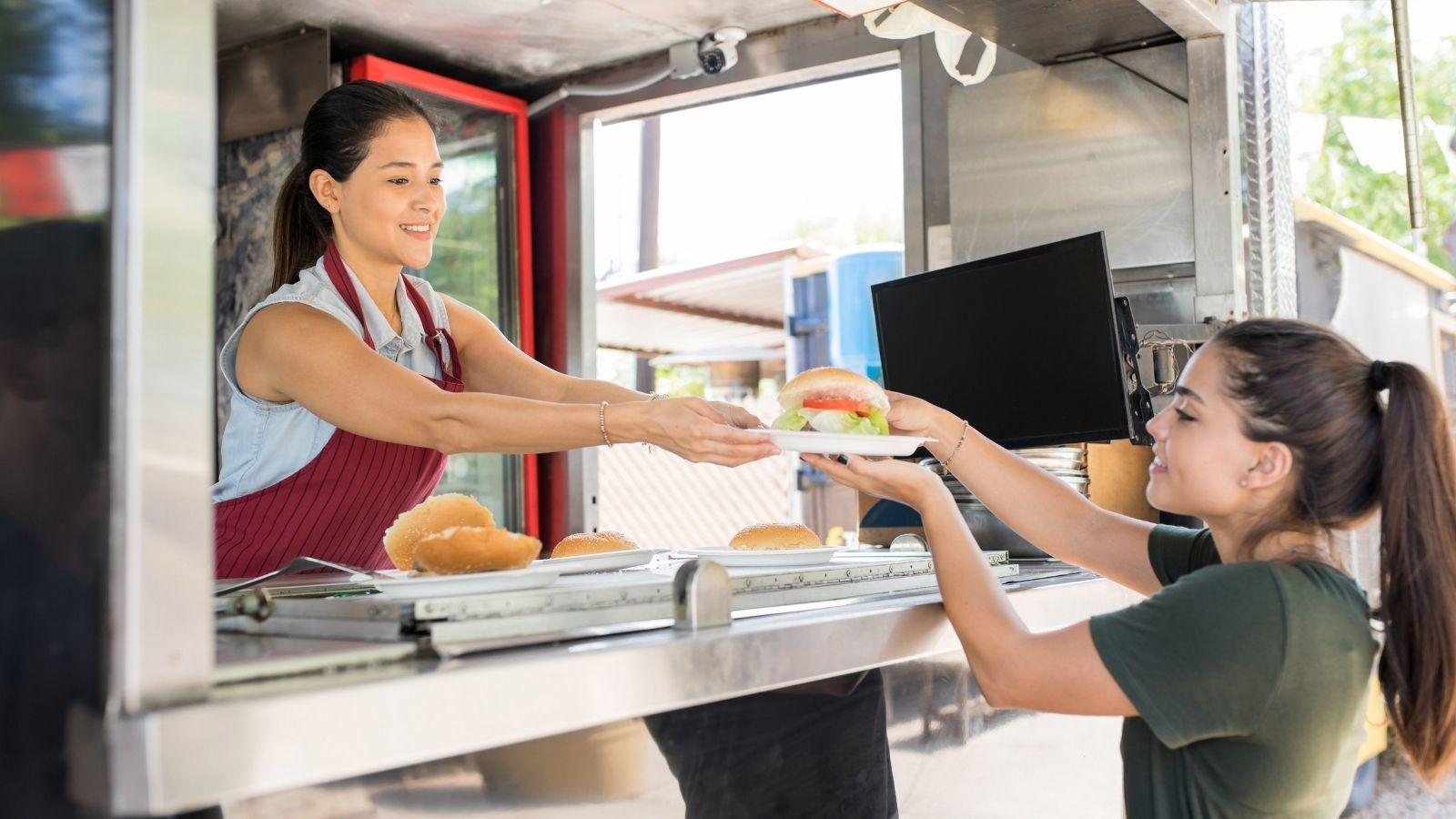
Recruit local food truck vendors who are willing to donate a percentage of event night sales in exchange for exposure to your school community. The event organizes itself once vendors are confirmed and the school community shows up. Promote heavily through student and parent networks in the week before.
Football players doing gymnastics, wrestlers playing in the band, swimmers racing on the track. Sell tickets to watch athletes compete completely outside their sport. The novelty is the entire appeal and it travels well on social media before and after the event.
Run a sports trivia competition with entry fees and prize pools. Match the theme to the sport your program plays such as a March Madness bracket tournament for basketball programs, a football history night for gridiron teams. Works well as an evening event that draws families and community members who enjoy a low-pressure social competition.
Fill helium balloons with rolled bills in varying amounts, sell them at a flat price, and let buyers pop to reveal their prize. Most balloons contain a small amount, a few contain significantly more. The suspense is the draw and the format scales easily to any crowd size.
Bring back former players to celebrate a program milestone like ten, fifteen, or twenty years since a championship season. Charge admission, host a dinner, and run contests and auctions around the event. Alumni games tap a giving audience that is already emotionally connected to the program and often more financially established than current families.
Rather than one-off restaurant nights, build a structured sponsorship program where local businesses contribute a set amount in exchange for recognition at games, on uniforms, or in program materials. A sign up manages sponsor commitments, payment collection, and recognition tracking in one place. Booster clubs with an existing business community can make this a significant annual revenue stream.
What is the easiest fundraiser for a youth sports team?
The lowest-effort options are pledge drives, restaurant partnership nights, and online donation campaigns. All three require minimal setup, no inventory, and no event coordination. A pledge drive with a specific goal and a live progress tracker is often the single highest return-on-effort fundraiser available to a team parent with limited time.
How much should a youth sports team try to raise?
Start with a specific number tied to a real need — uniform costs, tournament fees, equipment replacement — rather than a general target. Teams that fundraise toward a concrete goal raise more than those asking families to contribute to an unspecified fund. Once you have your number, work backward to choose a fundraiser format that can realistically reach it with your team's capacity.
How do we get more families to participate in fundraising?
Make participation as easy as possible and make the goal visible. Families who can see a thermometer moving toward a target are more motivated than those responding to a flat ask. Offering multiple ways to help — donating directly, sharing a link, volunteering at an event, selling a product — also increases overall participation by giving families options that fit their time and budget.
What is the best fundraiser for a booster club?
Booster clubs with an organized structure and an established community tend to do well with event-based fundraisers like food truck rallies, alumni games, and local business sponsorship programs. These formats scale with the size of your audience and take advantage of the school community relationships that recreational youth teams do not have access to.
Can we collect fundraising payments online?
Yes. SignUpGenius Payments lets you collect contributions directly through your sign up without handling cash or checks. For donation campaigns, a donations sign up with a live progress thermometer tracks your goal in real time and closes automatically when you hit your target.
How do we coordinate fundraising volunteers without the chaos?
Build your volunteer slots into a sign up before you announce the event. Share the link with your team and let people claim roles on their own schedule. Automatic reminders go out before the event so you are not personally following up with every volunteer. Families who choose their own role show up at a significantly higher rate than those who are assigned one.
Should we run one big fundraiser or several smaller ones?
One well-organized fundraiser with a specific goal almost always outperforms multiple scattered efforts. Families who feel repeatedly asked for contributions throughout a season begin to disengage. A single campaign with a clear target, a visible progress tracker, and a defined end date creates momentum that smaller recurring asks rarely generate.
Youth Sports Organization Guide
Everything team parents and coaches need to manage a youth sports season from preseason setup to the final celebration.
Read moreYouth Sports Team Coordinator Checklist
A season-by-season checklist covering every coordination task from preseason setup through the final game.
Read moreEnd-of-Season Sports Party Ideas
Venue ideas, activities, food themes, and planning tips to help you close out the season with a celebration the whole team will remember.
Read moreNonprofit Fundraising Tools and Ideas
Fundraising strategies, tools, and ideas built specifically for nonprofit organizations of all sizes.
Read moreI feel compelled to let you know how SignUpGenius has literally changed my life — even I can't believe what I said, but it's true! I am involved with scheduling food as well as activities several times a year for church-related business and fun. The amount of time SignUpGenius has saved me is huge. It's very user friendly and intuitive. Thank you.
Carol Tisdale